
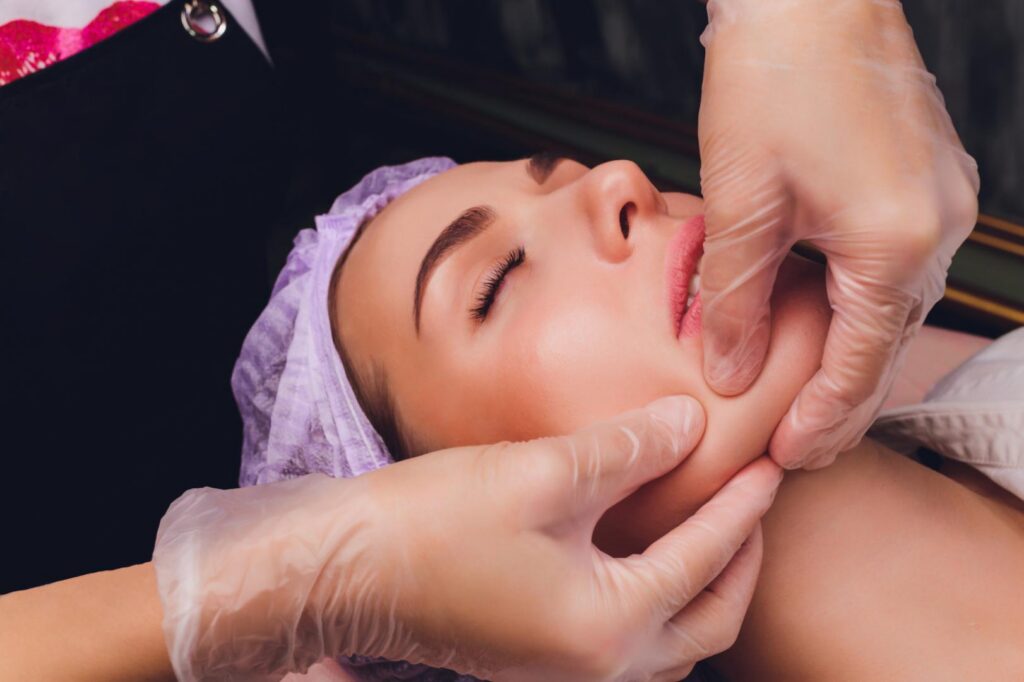
A fuller lower cheek can soften the definition beneath your cheekbones. For some patients, larger buccal fat pads contribute to that fullness. Surgical buccal fat removal can reduce this volume after careful assessment. A buccal facial treatment takes a different approach, using massage while leaving those fat pads in place.
The distinction matters when you are choosing how to care for your face. Keep reading to learn what a buccal treatment involves, what it may help you notice, and how NeurotriS microcurrent can fit into the conversation.
How Buccal Facials Work
A buccal facial focuses on the cheek area through touch, pressure, and carefully controlled movement. Understanding each part of the experience helps you decide whether its goals match yours.
1. Reaches Inside the Cheeks
Buccal massage includes work inside the mouth as well as along the outside of the face. A trained provider uses gloved fingers to access the inner cheek tissues while supporting and manipulating the area from the outside.
The word buccal refers to the cheek, while intraoral means inside the mouth. Recognizing those terms can help you understand a service description and distinguish a massage appointment from a surgical consultation.
That access makes the treatment feel different from a facial centered on cleansing, exfoliation, or a mask. The provider can work with soft tissues from both sides of the cheek. Pressure and movement should reflect your comfort and the condition of the area being treated.
Before starting, ask the provider to explain the technique and how you can signal for a pause. Intraoral work requires clean hands and fresh gloves for each patient. You should also feel comfortable declining the inside-the-mouth portion. Consent is part of the appointment, even when you have already booked the service.
2. Focuses on Facial Tension
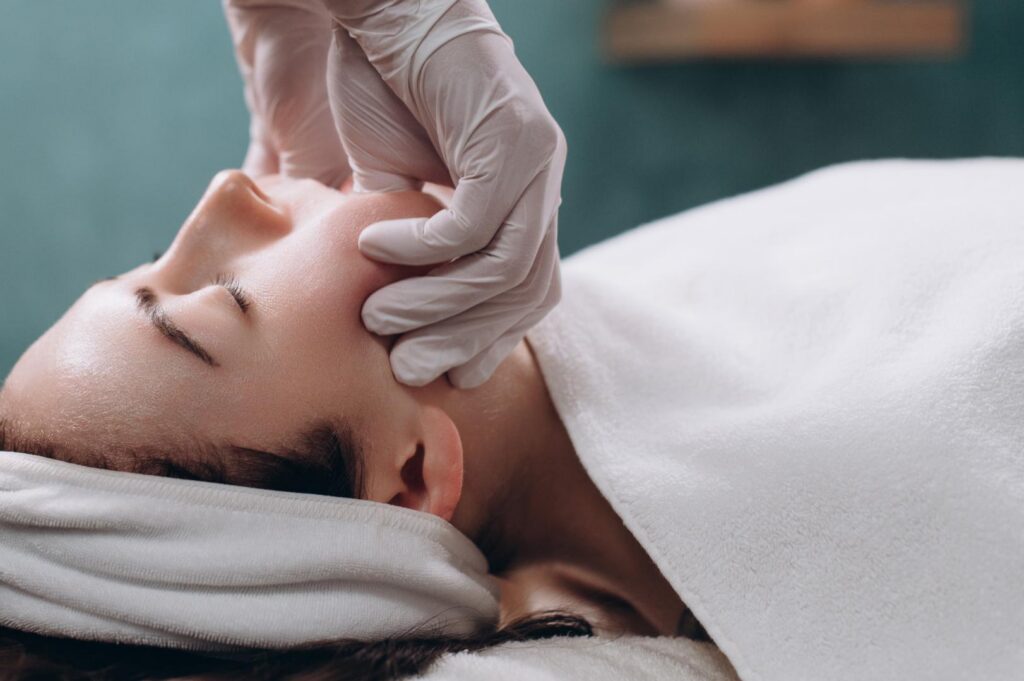
The most appealing change may be how your face feels afterward. Patients who notice everyday tightness around the cheeks or jaw may find gentle, controlled massage relaxing. The intention is to ease that sensation through hands-on work with the surrounding tissues.
A jaw tension release facial can sound especially appealing if you catch yourself clenching during a busy day. Explain when the tightness appears and whether it comes with pain. That information helps the provider recognize when a cosmetic appointment is appropriate and when another evaluation comes first.
Persistent jaw pain, painful clicking, locking, or difficulty chewing deserves attention from a dentist or medical professional. Research on clinical manual therapy for jaw disorders cannot be treated as proof that a spa facial treats those conditions. You can enjoy relaxation while keeping any ongoing jaw problem under the right care.
3. Offers Subtle Cosmetic Changes
A cheek definition facial is usually chosen with a fresher, more sculpted appearance in mind. The realistic goal is a subtle refresh. It is sensible to regard any visible contour change as temporary rather than a permanent alteration of your facial structure.
Research on the cosmetic effects of facial massage remains limited. Small studies of external massage do not establish how much an intraoral treatment will change someone’s cheeks. They also do not establish a reliable duration for those changes.
Natural cheek volume can also contribute to a youthful appearance. Removing volume is not automatically the right choice for someone seeking more definition. Patients with already narrow faces need particular caution about surgical fat removal, because the cheeks may appear more hollow with age.
This matters when you compare before-and-after images. Lighting, facial expression, and camera angle can change how defined a cheek looks. Ask to see photographs taken under similar conditions, and describe the result you would personally consider worthwhile. A softer feeling around the jaw may matter more to you than a dramatic photograph.
4. Introduces NeurotriS Microcurrent
NeurotriS brings a separate technology to facial care: low levels of electrical current delivered through accessories that contact the skin. Its facial systems are used for aesthetic stimulation of facial tissues. Treatment is aimed at a more toned appearance, with the plan adjusted to the individual.
Skyn Alchemy offers NeurotriS microcurrent, which uses dynamic signals and adjustable delivery. This gives the provider another way to approach concerns about visible facial definition. Your consultation should explain the device being used, the treatment areas, and the expected degree of change.
Microcurrent and buccal massage work differently. One uses electrical stimulation; the other uses manual pressure and movement. The microcurrent portion is a separate skin-contact treatment, so an inside-the-mouth massage should not be confused with placing electrical equipment inside the mouth.
The value of NeurotriS depends on the change you hope to see. Claims about a permanent lift or guaranteed transformation go beyond a reasonable cosmetic expectation. Your provider should describe a specific, achievable goal and explain how your progress will be reviewed.
5. Makes Combination Care More Personal
A facial contouring treatment can include different techniques, but each addition should have a clear purpose. Buccal massage may address your preference for hands-on relaxation. NeurotriS may be considered when your goals also include the appearance of facial tone.
Combining the two is an option to discuss. Your provider should explain what each step contributes to your goals. You may prefer to experience one service before deciding whether to add the other.
The rest of the facial matters, too. Cleansing, a mask, or finishing skincare may be included in some appointments. Have the provider identify each component so you understand which part addresses which concern and what you are paying for.
The appointment plan should also feel manageable. Find out whether the services happen together or separately, how long the visit will take, and whether the quoted price covers both. Those practical details help you choose care that comfortably fits your schedule.
6. Begins With Health Screening
Your skin, mouth, and medical history all matter before treatment begins. Tell the provider about mouth sores, active infections, irritated skin, recent dental work, and any areas that hurt. Some concerns may call for postponing the facial or checking with another healthcare professional.
Recent fillers, Botox, facial surgery, or other procedures also belong in that discussion. Share what was done and when. The appropriate timing depends on the procedure and your recovery, so follow the treating clinician’s guidance instead of assuming a universal waiting period.
Microcurrent requires its own assessment. Pregnancy, a pacemaker or another implanted electronic device, and a seizure history are especially important to disclose. Also disclose heart surgery, particularly if it occurred within the past year. The device’s current instructions and your medical history guide whether treatment should be avoided.
Ask about the provider’s training in intraoral techniques and the specific microcurrent system. Experience with one kind of facial does not automatically establish experience with every technique.
Bring a list of medications and mention product or glove allergies. These details help the provider plan around your needs before the hands-on portion starts.
7. Keeps Comfort in Your Hands
Your comfort helps guide the pace of treatment. Pressure may feel unfamiliar because the cheek is being worked from both sides. Some areas may be sensitive, and the provider can adjust the technique as you respond. You remain part of the conversation throughout the visit, even when signaling for a break.
Stronger pressure does not automatically create a better result. Sharp pain, significant discomfort, or pulling that feels excessive should prompt the provider to stop and reassess. Let them know if opening your mouth or keeping it in one position is difficult.
If NeurotriS is included, ask what sensations are expected with that specific device and setting. Report unpleasant sensations immediately. You do not need to tolerate discomfort to prove that a treatment is effective.
The same openness applies afterward. Ask what changes to expect and whom to contact if tenderness, swelling, or irritation persists or worsens.
8. Plans for Life Afterward
Non-invasive facial sculpting appeals to patients who want facial care without incisions or tissue removal. The practical recovery experience still depends on the techniques used and your individual response. Request aftercare instructions for the complete appointment, including any additional skin treatments.
Keep your routine gentle if the area feels sensitive. Avoid adding vigorous massage or trying an unfamiliar intraoral technique at home. If you want to practice any facial massage between visits, ask for instructions suited to your skin and health history.
For an important event, consider trying the treatment beforehand instead of booking your first visit immediately before photographs. That gives you a chance to see how your face feels and looks afterward. Your own response provides a more useful planning guide than someone else’s social media timeline.

9. Builds a Realistic Routine
Follow-up appointments should be based on what you notice and what you want to maintain. Ask when you should assess the outcome and how the provider will decide whether another session makes sense. A recommendation for several visits should come with an explanation.
Track comfort separately from appearance. You might appreciate the relaxed feeling even if photographs show little change. Alternatively, you may decide that the visible difference does not meet your original goal. Both observations are useful when reviewing the plan.
Discuss the full commitment before purchasing a series. Include appointment time, cost, and any proposed maintenance. You should understand what happens if the response is smaller than expected and when the plan would be reconsidered.
A worthwhile routine should fit your priorities. There is room to choose an occasional facial for relaxation, a carefully assessed microcurrent plan, or a different approach when your concern requires it.
Explore Your Options at Skyn Alchemy
Your goals deserve a conversation that connects the treatment to what matters to you. Whether you want a relaxing buccal treatment or would like to explore NeurotriS microcurrent, Skyn Alchemy in San Diego, CA, offers a place to discuss your next step.
Schedule a consultation to talk about facial comfort, the definition you hope to see, and your treatment history!