

Summer has a way of leaving souvenirs you never asked for. After months of beach days, outdoor lunches, vacations, and everyday sun exposure, your complexion may look different than it did at the start of the season. Brown spots seem darker, tone looks patchier, and once-bright skin can appear rough or tired. This post-summer sun damage often becomes more noticeable as a tan begins to fade.
Professional treatments can help you approach those changes more strategically. RevitaPen and chemical peels offer two different ways to refresh sun-stressed skin, from improving surface texture to addressing visible discoloration and uneven tone.
Continue reading to learn how these treatments work, where each one fits, and why fall can be a smart time to rethink your skincare routine.
How RevitaPen and Peels Refresh Sun-Damaged Skin
Sun damage doesn’t show up in exactly the same way for every patient. Some notice scattered brown spots, while others see dullness, roughness, or an overall uneven complexion, so treatment should begin with what your skin is actually showing.
1. They Approach Damage From Different Angles
RevitaPen and chemical peels aren’t interchangeable treatments. Each works differently, which gives a skincare professional more flexibility when creating a plan for post-summer concerns.
The RevitaPen Infusion Facial is a non-invasive skin rejuvenation treatment designed to improve the delivery of selected skincare ingredients. The treatment creates microscopic pathways at the surface, allowing active ingredients to penetrate more effectively than they would through ordinary topical application.
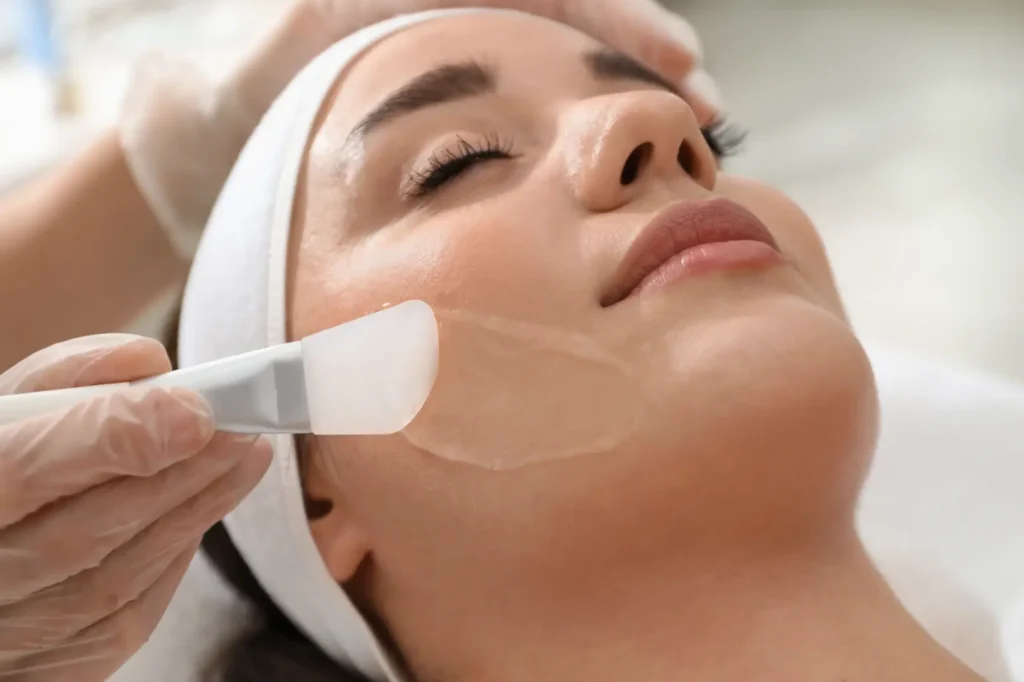
Chemical peels take an exfoliation-focused approach. A carefully selected chemical solution is applied to the skin to encourage shedding of damaged surface cells. Depending on the type and strength of the peel, treatment can range from mild exfoliation to more substantial resurfacing.
For patients researching the best treatments for post-summer skin recovery, the answer doesn’t always have to be one or the other. The appropriate choice depends on the type of discoloration, skin sensitivity, treatment goals, and amount of recovery you’re comfortable with.
2. Chemical Peels Lift Away Dull Surface Buildup
Sun exposure doesn’t only affect pigmentation. By the end of summer, skin can also look rough, dry, or generally lack the brightness it had before months of outdoor activity.
Chemical peels encourage controlled exfoliation. By removing portions of the outermost damaged skin, they can reveal a smoother and more refined-looking surface underneath.
This can be especially useful when uneven tone is accompanied by rough texture and dullness. Instead of trying to polish the skin repeatedly with scrubs at home, a professional peel can provide a more structured exfoliation process.
Peels also come in different strengths. Mild treatments typically involve less peeling and recovery, while deeper approaches create a more significant skin response and require greater downtime.
More peeling doesn’t automatically mean a better result. Your skin type, pigmentation concerns, previous treatments, and current condition should guide the strength selected.
For post summer skin care, controlled treatment is often much more useful than aggressively exfoliating skin that’s already spent months dealing with heat and sun..
3. Peels Can Improve Visible Sun Spots
Those brown patches that seem to become obvious after your summer tan disappears are often one of the biggest reasons patients seek professional care. Cumulative ultraviolet exposure can contribute to excess melanin production and make certain areas look darker than the surrounding skin.
A chemical peel for hyperpigmentation can help improve selected superficial discoloration by promoting exfoliation and skin renewal. As pigmented surface cells shed, certain dark spots may gradually become less noticeable.
This isn’t the same as promising complete sun spot removal after one appointment. Pigmentation varies in depth, cause, and response to treatment, and some spots may require a different procedure or combination approach.
That distinction is important because not every brown mark is simply sun damage. Freckles, post-inflammatory hyperpigmentation, melasma, and other pigment concerns can overlap visually.
Before treating a dark spot aggressively, it helps to understand what you’re actually dealing with. Any new, changing, bleeding, or otherwise concerning lesion should receive appropriate medical evaluation rather than being treated as a cosmetic sun spot.
4. RevitaPen Gives Dull Skin a Different Kind of Reset
Not every post-summer complexion needs peeling. Some patients are more concerned about dehydration, tired-looking skin, uneven texture, or a loss of radiance than obvious dark spots. This is where RevitaPen may fit particularly well.
The RevitaPen Infusion Facial creates microscopic pathways in the skin that improve the absorption of carefully selected active ingredients. Rather than focusing primarily on removing layers of skin, it pairs gentle skin stimulation with targeted topical infusion.
That can make the treatment appealing to someone who wants refreshed-looking skin without pursuing more aggressive resurfacing.
The treatment can also be customized according to what the complexion needs. Instead of assuming every patient’s post-summer skin requires the same products, the infusion can become part of a more personalized facial experience.
Think of RevitaPen as an option for improving how professional skincare ingredients interact with the surface of your skin. It isn’t trying to imitate a chemical peel. Its value comes from approaching rejuvenation differently.
5. Uneven Tone Can Be Treated More Thoughtfully
An uneven complexion can make skin look tired even when it feels relatively smooth. You may notice darker patches around the cheeks and forehead, lingering marks from breakouts, or an overall lack of consistency in color.
Choosing an uneven skin tone treatment starts with figuring out what contributes to that unevenness. For superficial discoloration and dull buildup, a chemical peel may help through controlled exfoliation. RevitaPen may support a brighter, more refreshed complexion through targeted infusion and skin rejuvenation.
The important part is not forcing every concern into the same treatment. A provider can examine whether your primary issue is pigment, dehydration, roughness, congestion, or several concerns occurring together. From there, treatment can be chosen based on what your skin is likely to tolerate.
This also protects patients from the common post-summer mistake of trying to fix everything at once. Combining several strong acids, retinoids, scrubs, and brightening products at home can leave the skin irritated rather than clearer. Professional guidance can simplify the process.
6. Hyperpigmentation Requires Patience
Anyone searching how to get rid of hyperpigmentation would probably love a treatment that erases every mark immediately. Skin doesn’t usually work that way. Hyperpigmentation occurs when excess pigment develops in certain areas. Sun exposure is one trigger, but inflammation, acne, hormones, injuries, and other factors can contribute.
The cause matters because different forms of discoloration can respond differently to treatment. A professional hyperpigmentation treatment in San Diego may involve chemical peels, RevitaPen, appropriate home care, or other services based on the patient’s skin.
Improvement can develop gradually as the skin responds to treatment and new pigment triggers are controlled. That last part is easy to underestimate. If professional treatments are fading existing discoloration while unprotected UV exposure continues stimulating pigment production, you’re working in two opposite directions.
Managing hyperpigmentation is therefore as much about protecting future skin as treating what you see today.
7. Melasma Needs Extra Care
Melasma deserves its own conversation because it isn’t simply another sun spot. It typically appears as patches of brown or gray-brown pigmentation, often across the cheeks, forehead, upper lip, or other facial areas.
Sun exposure can worsen melasma, but hormones, genetics, heat, and visible light may also contribute. Because of those multiple triggers, aggressive exfoliation isn’t automatically the right response.
A thoughtful melasma treatment plan may incorporate carefully selected professional procedures and pigment-focused home care. Sun protection is particularly important because recurrence is common.
Chemical peels may be considered for some patients, but the peel type and strength matter. Creating too much inflammation can potentially aggravate pigmentation in susceptible skin. RevitaPen may also be discussed depending on the patient’s complexion, goals, and products being used. Neither treatment should be presented as a guaranteed cure for melasma.
Instead, the objective is improvement and ongoing control. This is another reason an evaluation matters before choosing a treatment simply because a friend loved her results. Two brown patches can look similar while behaving very differently.
8. Professional Treatments Offer More Control
The skincare aisle makes treating dark spots look deceptively simple. Pick a brightening serum, add an exfoliating acid, wait a few weeks, and supposedly watch every mark disappear. Real skin is more complicated.
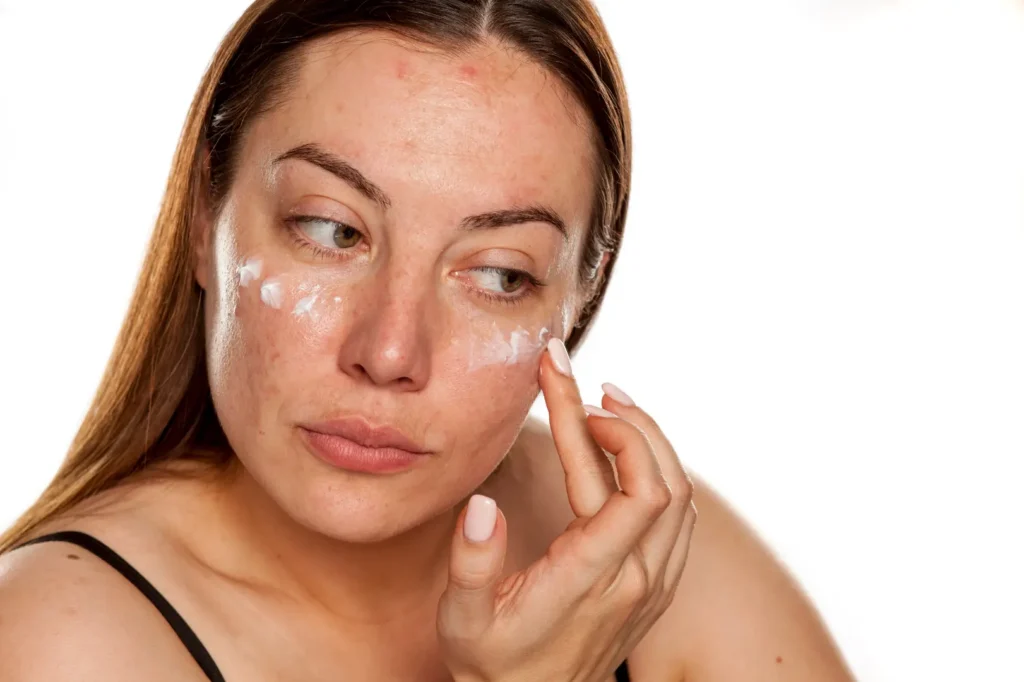
The conversation around at-home vs. professional treatment for dark spots comes down partly to assessment and control. At home, products can support gradual improvement and maintenance. However, it’s easy to overuse exfoliants, combine incompatible ingredients, or treat the wrong type of pigmentation.
Professional treatment adds another level of customization. With a professional treatment for sun spots, your provider can evaluate the skin before selecting a peel or recommending another approach. Treatment intensity can also be adjusted according to sensitivity, skin tone, previous reactions, and the concern being addressed.
That doesn’t make home care unimportant. Quite the opposite. Professional treatments and a sensible routine should support each other. The facial or peel may create targeted improvement, while daily skincare helps maintain the skin between appointments.
Let Summer Fade, Not Your Glow
Summer memories can stay. The dullness, uneven tone, and visible discoloration don’t necessarily have to. RevitaPen and chemical peels offer different ways to approach post-summer skin, whether your priority is gentle rejuvenation, improved texture, or a more even-looking complexion.
At Skyn Alchemy in San Diego, CA, patients can explore professional treatments based on what their skin actually needs after the season changes. A personalized plan can help you move beyond random brightening products and give sun-stressed skin a more thoughtful path back to looking refreshed.
Contact us today to book your appointment!