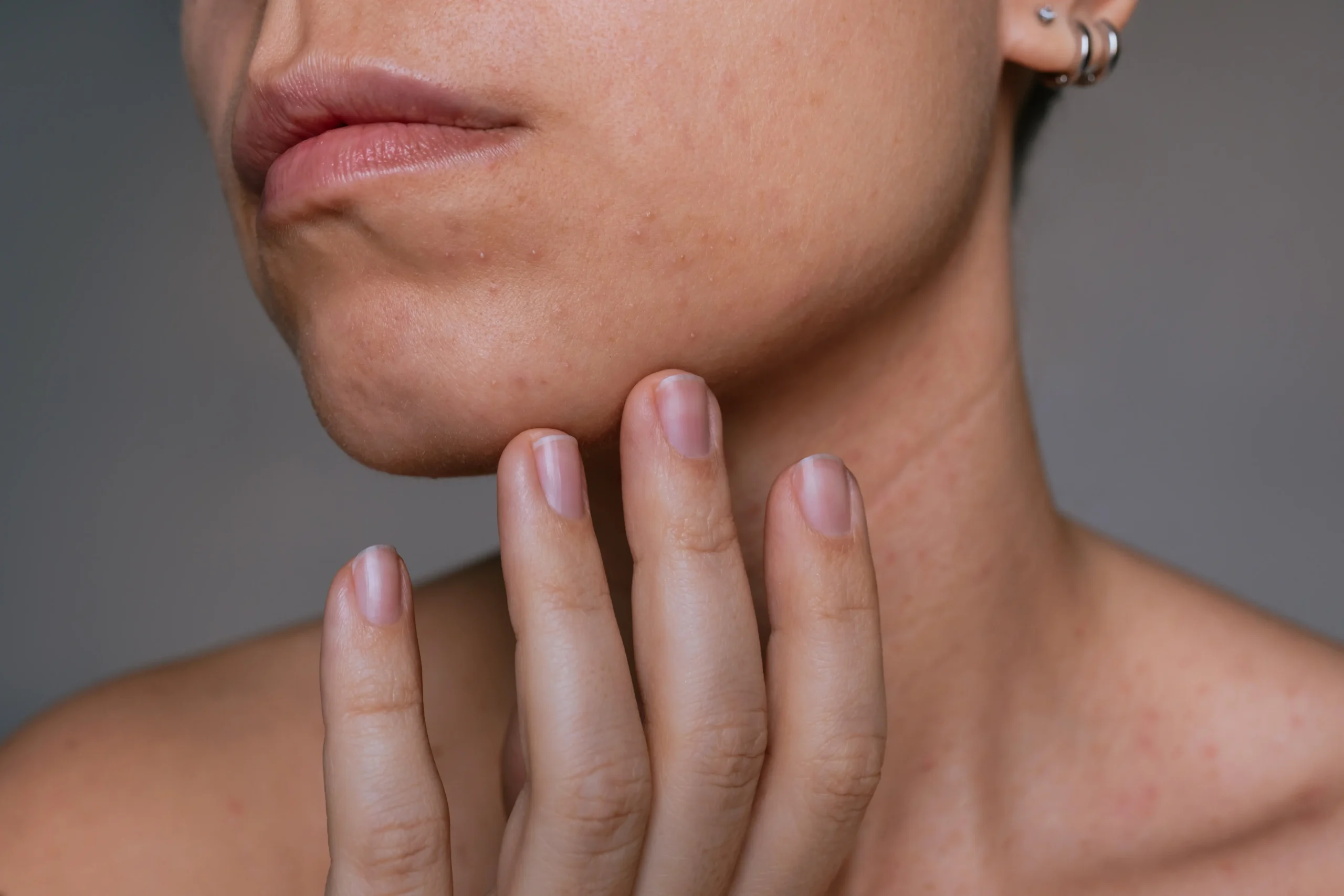

Chemical peel aftercare begins with hydration, gentle cleansing, and SPF 30+ protection. These steps reduce the risk of irritation, support skin regeneration, and optimize post-treatment radiance in time for winter events.
At Skyn Alchemy in La Jolla, every seasonal peel is tailored to restore your skin’s brightness while supporting barrier recovery. If you’re planning a treatment before an event, aftercare determines how confidently your skin appears in photos and how quickly your glow resurfaces. Winter’s dry air, indoor heat, and lower UV index create an ideal healing environment when combined with a consistent protocol.
Why Choose a Chemical Peel Before the Holidays?
A chemical peel stimulates cell turnover, removes dull surface buildup, and refines uneven texture. This process reveals fresher skin and smooths fine lines, making it one of the most effective ways to prep for end-of-year events.
Holiday schedules often bring back-to-back obligations. Booking your peel 7–10 days before a celebration allows time for controlled exfoliation and visible rejuvenation without unexpected flaking or redness. Unlike injectables or laser treatments, light and medium-depth peels offer smoother, more even skin without long recovery periods. For skin that needs a polished finish, not downtime, chemical peels offer targeted results for tone, clarity, and confidence.
What Happens to Your Skin After a Peel?
A chemical peel removes the outermost layers of skin through a controlled chemical solution. This triggers the skin’s natural healing response, initiating exfoliation and increasing collagen production over time.
Immediately after treatment, skin may appear pink, feel tight, or begin to flake within 48 hours. This process varies depending on the peel depth. Lighter peels typically involve subtle dryness and minimal visible shedding, while medium peels may cause more pronounced peeling around the nose, chin, and mouth. During this healing stage, your skin becomes more permeable and sensitive, requiring precise care to avoid barrier disruption and pigmentation. Every product applied post-peel should support hydration, reduce inflammation, and protect against UV exposure.
Why Winter Is Ideal for Chemical Peels
Cooler months support recovery by minimizing environmental exposure and reducing the risk of post-inflammatory pigmentation. Less sunlight means lower UV intensity, and shorter days make SPF reapplication more manageable. These factors create optimal conditions for skin resurfacing without added stress.
Indoor heating systems, however, can compromise hydration levels. After a peel, skin is more prone to transepidermal water loss, so moisture retention becomes essential. Incorporating a humidifier, applying occlusive moisturizers, and drinking water consistently help counteract winter’s dehydrating effects. In this season, healing skin needs both protection and nourishment, especially if you’re preparing for holiday photos or travel.
The First 72 Hours: Gentle Is Everything
Gentle care within the first 72 hours accelerates healing, prevents complications, and preserves the benefits of the peel. Cleanse with lukewarm water and a soap-free, fragrance-free cleanser. Avoid hot water, steam, or scrubbing. Pat the skin dry without friction.
Apply a hydrating barrier cream containing ceramides, hyaluronic acid, or panthenol several times a day. Avoid all exfoliants, retinoids, vitamin C serums, and actives until flaking subsides. Even natural or “clean” ingredients can trigger reactions on post-peel skin. Physical activity that causes sweating should be paused to reduce inflammation.
Sunscreen remains non-negotiable. Use a broad-spectrum SPF 30+ that’s mineral-based and fragrance-free. Reapply every two hours if outdoors. The skin’s protective barrier remains compromised in the first few days, so consistent hydration and sun defense are the most important investments you can make.
7-Day Post-Peel Ritual for Skin Rejuvenation
A structured post-peel plan supports recovery and enhances your results. Each day targets specific needs, calming inflammation, rebuilding the barrier, and restoring visible clarity.
Day 1–2:
Cleanse only with cool water and a non-foaming, pH-balanced cleanser. Apply a hydrating moisturizer with ceramides or squalane up to 3–4 times per day. Reapply SPF every two hours if exposed to daylight. Avoid all activities and wear no makeup.
Day 3–4:
Continue hydration. If flaking begins, do not pick or exfoliate. Add a calming serum with panthenol or niacinamide to support barrier repair. Use a humidifier indoors and increase water intake.
Day 5–6:
Introduce a gentle antioxidant serum if peeling has fully subsided. Stick with mineral sunscreen and avoid prolonged sun exposure, even indoors near windows.
Day 7:
If your skin feels fully healed and smooth, resume your standard routine minus exfoliating acids and retinoids. Schedule a follow-up facial or skin assessment to maintain results. For post-peel nourishment, treatments like our RevitaPen Infusion can support long-term glow without triggering sensitivity.

What Not to Do After a Peel, Especially Pre-Event
Skipping aftercare steps can prolong healing and compromise your outcome. These are the actions to avoid if you want smooth, event-ready skin:
- No manual peeling. Allow flaking skin to shed naturally to avoid pigmentation or texture irregularities.
- No active ingredients. Retinoids, AHAs, BHAs, and exfoliating scrubs can cause irritation and inflammation.
- No hot showers or workouts. Heat and sweat increase redness and slow recovery.
- No facial waxing, tweezing, or dermaplaning. These treatments disrupt fragile skin during healing.
- No heavy makeup. Stick to mineral formulas and only after the peeling phase has ended.
Your skin will reveal its best self when protected, not pushed, during the first week.
Best Ingredients to Use After a Peel (And What to Avoid)
Ingredient choice determines whether your skin recovers calmly or becomes inflamed. Post-peel, prioritize hydration and simplicity.
Ingredients to Embrace
- Hyaluronic Acid draws water into the skin for long-lasting hydration
- Ceramides strengthen barrier function and prevent moisture loss
- Squalane calms and softens irritated or flaking skin
- Panthenol (B5) accelerates healing and reduces redness
- Zinc Oxide provides physical, non-irritating sun protection
Ingredients to Avoid
- Retinol or Retinoids overstimulate compromised skin
- Glycolic or Lactic Acids disrupt barrier repair
- Alcohol-based toners increase sensitivity and dryness
- Essential oils or fragrances increase the risk of contact dermatitis
- Scrubs or exfoliants can cause microtears and pigment issues
Let your skin lead. If you feel heat, stinging, or visible redness, pause everything but water, a gentle cleanser, and moisturizer.
When Will I Be Event-Ready After a Peel?
Peeling timelines vary, but the window for smooth, radiant skin typically begins around Day 5 and peaks by Day 7–10.
- Light peels: (like enzyme or lactic acid): Expect minimal flaking and event-ready skin in 3–5 days.
- Medium peels: (like TCA or Vitalize): Visible shedding may occur through Day 5, with optimal glow at Day 7–10.
- Deep peels: Not suitable before holiday events due to longer recovery.
To ensure a clear, hydrated finish for your event or trip, schedule your chemical peel at least 7–10 days in advance. If your skin is prone to hyperpigmentation or sensitivity, even more buffer time may be advised.

Your Post-Peel Ritual, Personalized
At Skyn Alchemy, chemical peel protocols are personalized based on your skin’s biology, event timeline, and seasonal needs. We don’t just perform the peel, we guide you through the entire journey, from your first gentle cleanse to your post-glow maintenance plan.
Our La Jolla skin studio offers curated homecare recommendations, advanced skin imaging, and optional follow-up treatments to extend your results. If your skin needs clarity, softness, and strength this season, we’ll show you how to get there, safely and beautifully.
Your glow deserves intention. Let’s create your winter skin ritual. We’re here when you are.
Frequently Asked Questions
Can I travel after a chemical peel during the holidays?
Yes, but air travel can dehydrate healing skin. Use a thick moisturizer, drink extra water, and avoid in-flight makeup. If traveling to sunny destinations, apply SPF 30+ every two hours even through airplane windows.
Do I need to change my pillowcases after a chemical peel?
Yes. Use a fresh, soft pillowcase nightly for the first few days post-peel. This reduces bacteria exposure and prevents friction that could disrupt healing or increase the risk of post-inflammatory pigmentation.
Is it safe to get a facial massage after a chemical peel?
Not during the first 7–10 days. Facial massage may overstimulate the skin or interfere with the natural shedding process. Wait until all peeling stops and the barrier feels fully restored.
How often should I get chemical peels in winter?
Depending on skin type and peel depth, 1 light-to-medium peel every 4–6 weeks can support cellular turnover. Winter’s lower UV levels make it ideal for a short series of peels spaced safely apart.
What kind of makeup is safe after a chemical peel?
Once flaking ends, use mineral-based, non-comedogenic makeup free of fragrance and alcohol. Choose products labeled for sensitive or post-procedure skin, and always apply over a moisturizing base and broad-spectrum sunscreen.