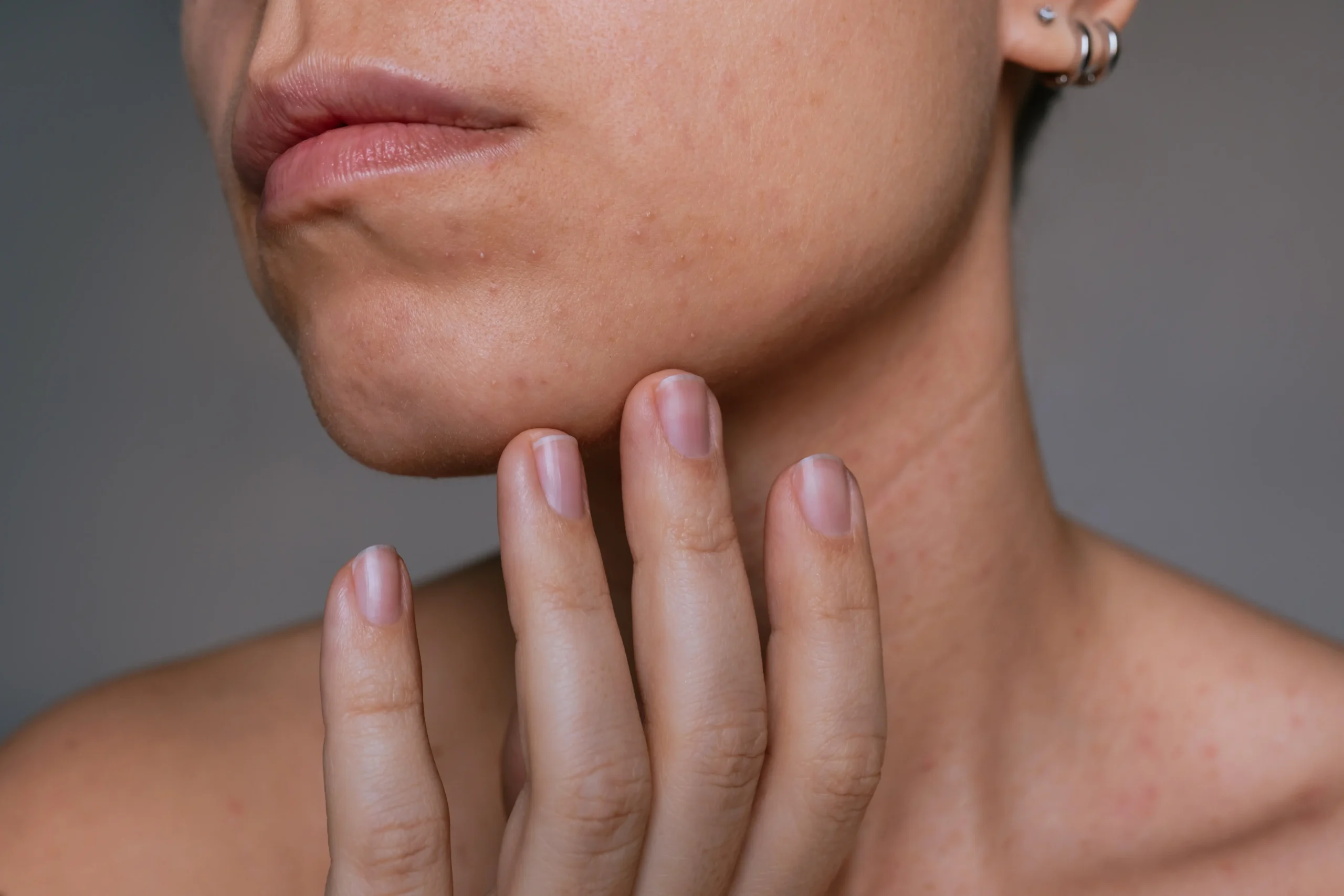
Healthy, glowing skin often starts with one simple step: removing what no longer serves it. As dead skin cells accumulate over time, your complexion can begin to look dull, uneven, and tired, no matter how many skincare products you use.
Fine lines may appear more noticeable, breakouts can linger longer than expected, and dark spots from sun exposure may seem impossible to fade. That’s why chemical peels continue to be one of the most trusted treatments in professional skincare.
Despite their long history of delivering beautiful results, they’re also one of the most misunderstood procedures in aesthetics. From fears about painful peeling to misconceptions about who can safely receive them, misinformation often keeps people from exploring a treatment that could greatly benefit their skin.
If you’ve ever wondered what’s fact and what’s fiction, you’re in the right place. Continue reading as we separate the most common myths from reality and explain what patients in San Diego should actually know before scheduling a chemical peel.
What Are Chemical Peels?
Beautiful skin isn’t created by hiding imperfections, it’s built by encouraging healthy skin renewal. As shown in the reference above, chemical peels are advanced skincare treatments that involve applying a specially formulated chemical solution to the skin. This solution encourages the outermost layers of damaged skin to exfoliate and gradually peel away, revealing fresher, smoother, and more refined skin underneath.
Rather than using a one-size-fits-all approach, today’s chemical peel treatment options are customized according to each patient’s skin type, concerns, and desired outcome. Depending on the peel selected, treatment may help improve:
- Fine lines
- Uneven skin tone
- Sun damage
- Acne
- Acne scars
- Rough skin texture
- Hyperpigmentation
- Dull complexion
As highlighted in the reference material, chemical peels range from mild to deep, allowing providers to tailor treatment based on the severity of skin concerns and the amount of exfoliation that’s appropriate for each patient.
Some commonly used peel ingredients include:
- Glycolic acid peel formulations for brightening and improving skin texture
- Salicylic acid peel treatments for oily and acne-prone skin
- Combination acids for more customized resurfacing
Whether mild or more intensive, every peel works toward the same goal: promoting healthier skin through controlled exfoliation and natural skin renewal.
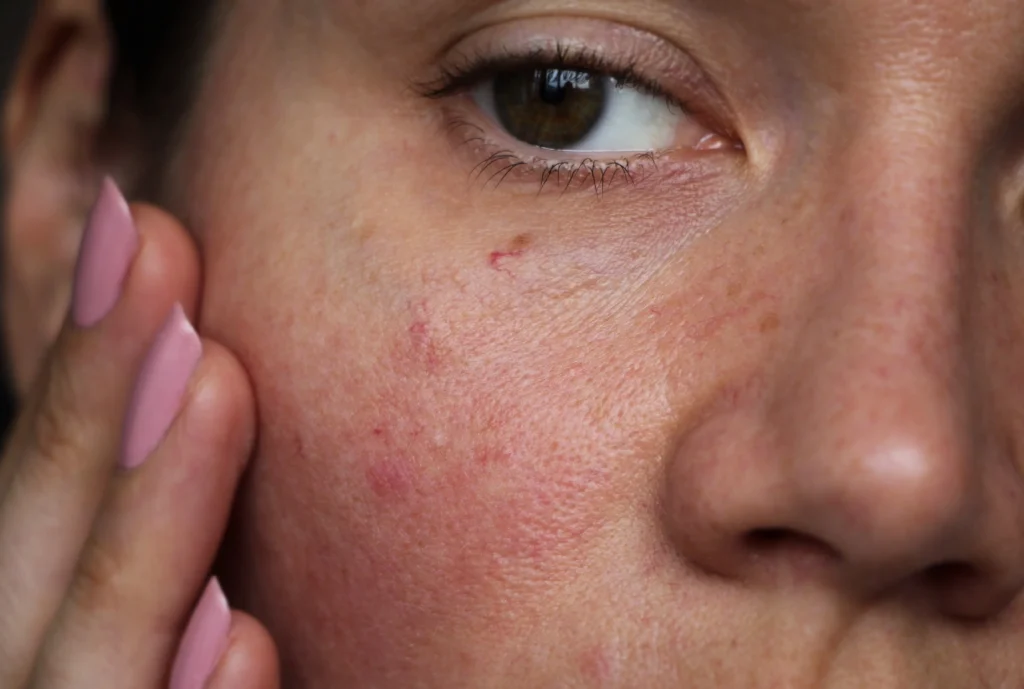
Chemical Peel Myths vs. Reality
Chemical peels have earned an excellent reputation in professional skincare, but misconceptions continue to make many patients hesitant. Understanding the facts can help you feel more confident when considering treatment.
Myth #1: Chemical Peels Burn Your Skin
The name alone can sound intimidating. Many people imagine harsh chemicals severely damaging the skin.
The Reality: A professionally performed medical-grade chemical peel is carefully selected according to your skin type and concerns. Rather than harming healthy skin, the treatment creates controlled exfoliation that encourages damaged surface cells to shed naturally.
Patients may experience temporary sensations such as:
- Mild tingling
- Warmth
- Tightness
- Light flaking afterward
These responses are expected parts of the skin renewal process, not signs that the skin is being harmed.
Myth #2: Everyone Peels Dramatically
One of the biggest misconceptions is that every chemical peel causes sheets of skin to peel for days.
The Reality: Not every peel produces visible peeling. Some lighter treatments focus on gentle exfoliation beneath the surface with little to no noticeable flaking. The amount of peeling depends on several factors, including:
- Peel strength
- Skin type
- Treatment goals
- Individual skin response
Some patients notice only mild dryness, while others experience more visible peeling after stronger treatments. Visible peeling isn’t the only measure of a successful outcome.
Myth #3: Chemical Peels Are Only for Older Skin
Many people assume peels are reserved for wrinkles and aging skin.
The Reality: Chemical peels benefit patients across many age groups. They may be recommended to address concerns such as:
- Acne
- Post-acne marks
- Uneven pigmentation
- Rough texture
- Early fine lines
- Sun damage
Whether your goal is prevention or correction, a customized skin resurfacing peel can often be adapted to meet your skin’s current needs.
Myth #4: You Can’t Get a Peel if You Have Sensitive Skin
Sensitive skin often causes patients to avoid professional exfoliation altogether.
The Reality: Having sensitive skin doesn’t automatically eliminate chemical peels as an option. Providers evaluate:
- Skin sensitivity
- Medical history
- Current skincare products
- Lifestyle
- Treatment goals
Lighter peel formulations and carefully selected acids may still be appropriate depending on the individual.
The key is personalization, not avoiding treatment altogether.
Myth #5: Chemical Peels Thin Your Skin
This myth continues to circulate despite scientific evidence to the contrary.
The Reality: Professional chemical peels remove damaged surface cells, but they don’t permanently thin healthy skin.
In fact, by stimulating natural cellular turnover and supporting collagen production, many peels contribute to healthier skin structure over time. When performed appropriately, the goal is stronger, smoother, healthier-looking skin, not weaker skin.
Myth #6: At-Home Products Work the Same Way
With so many exfoliating products available online, it’s easy to assume they produce the same results as professional treatments.
The Reality: Over-the-counter exfoliating products contain much lower concentrations of active ingredients than professional treatments. A professionally administered exfoliating facial peel is:
- Customized
- Carefully monitored
- Selected for your skin type
- Applied using medical-grade formulations
This level of personalization simply isn’t possible with products purchased off the shelf.
Myth #7: All Chemical Peels Are the Same
It’s easy to think every chemical peel delivers identical results.
The Reality: Chemical peels come in many formulations, strengths, and depths, each designed to address different skin concerns. For example, a glycolic acid peel is often recommended for patients who want to brighten dull skin, improve uneven texture, and soften early signs of aging.
Glycolic acid, an alpha hydroxy acid (AHA), works by loosening the bonds between dead skin cells, encouraging smoother and more radiant skin. Meanwhile, a salicylic acid peel is commonly chosen for oily or acne-prone skin because it penetrates into pores to dissolve excess oil and help reduce congestion.
Other peel combinations may target:
- Hyperpigmentation
- Sun damage
- Fine lines
- Melasma
- Rough texture
Choosing the right peel depends on your skin, not on what’s popular online.
Myth #8: Chemical Peels Require Weeks of Downtime
Many patients avoid peels because they worry they’ll have to stay home for an extended period.
The Reality: Recovery depends largely on the type of peel performed. Many light and medium-depth peels allow patients to return to normal daily activities quickly, although temporary redness, dryness, or light flaking may occur.
Stronger peels naturally require a longer healing period, but these are not the only options available. Your provider will recommend a peel that aligns with:
- Your lifestyle
- Your schedule
- Your skin concerns
- Your comfort level
This personalized approach allows many patients to enjoy noticeable improvements without lengthy interruptions to their routine.
Myth #9: You Should Avoid Chemical Peels Year-Round
Some people believe chemical peels can only be performed during one season.
The Reality: While many patients schedule peels during the fall and winter because sun exposure tends to be lower, chemical peels are not automatically off-limits during other times of the year. What’s most important is protecting your skin after treatment.
Your provider may recommend:
- Daily broad-spectrum sunscreen
- Protective clothing when outdoors
- Avoiding excessive direct sun exposure
- Following your personalized aftercare instructions
With proper planning and sun protection, many patients can safely receive chemical peels throughout the year.
Myth #10: One Peel Fixes Everything
A single treatment sounds appealing, but healthy skin is rarely achieved overnight.
The Reality: Chemical peels are often most effective when they’re part of a long-term skincare strategy. Depending on your concerns, your provider may recommend a treatment series to gradually improve:
- Skin texture
- Pigmentation
- Acne
- Fine lines
- Overall skin quality
Building results over time often creates more natural, longer-lasting improvements than expecting dramatic changes from a single appointment.
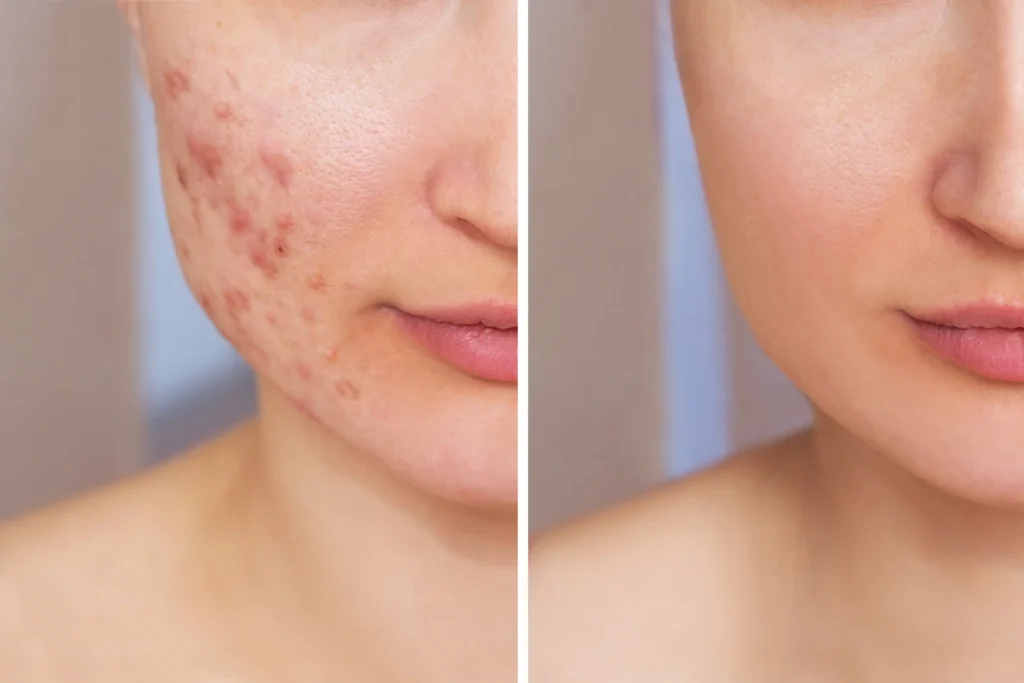
Discover Healthier, Brighter Skin at Skyn Alchemy
Beautiful skin begins with informed choices and personalized care. Chemical peels remain one of the most versatile professional skincare treatments available, helping improve texture, brighten dull skin, soften fine lines, and support long-term skin renewal through customized exfoliation. By understanding the facts instead of the myths, patients can feel confident exploring a treatment that’s designed around their unique skin needs.
At Skyn Alchemy in San Diego, CA, every chemical peel is carefully selected to match your skin type, concerns, and aesthetic goals. Through personalized treatment plans and advanced skincare expertise, patients can enjoy smoother, healthier, and more radiant skin that continues to improve long after their appointment.
Contact us today to book your consultation!