
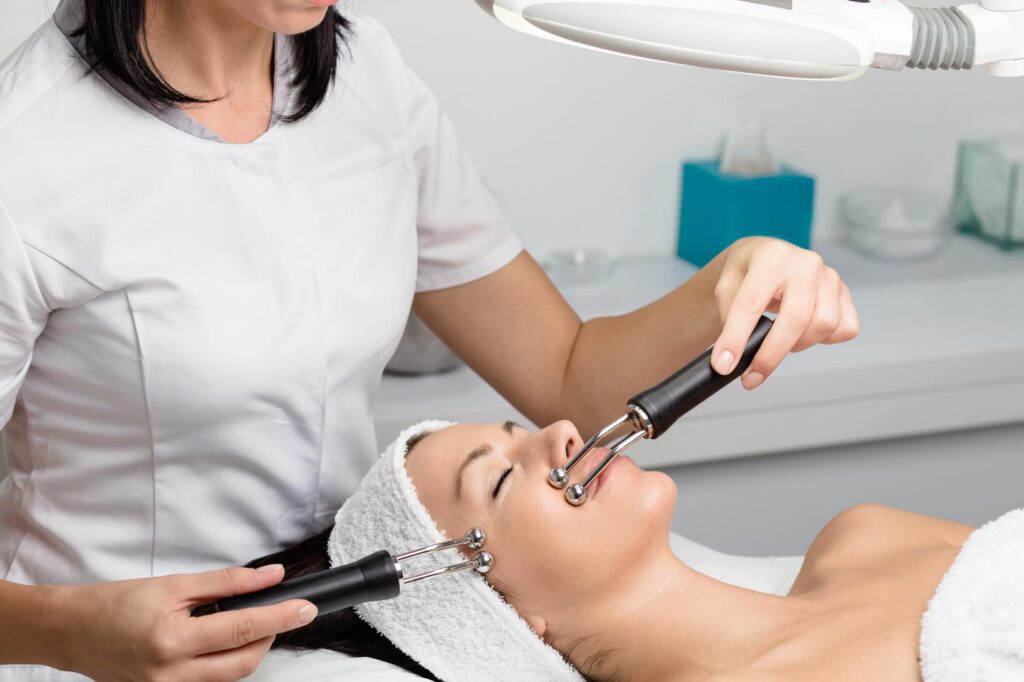
A skincare consultation often begins with what you can see. Fine lines or a softer jawline might be what brought you in. Microcurrent adds another consideration: how your skin responds electrically during treatment. NeurotriS microcurrent uses feedback about that response to help guide its delivery.
That ability to adjust is central to its appeal. Follow the comparison below to understand what NeurotriS does differently, what its features mean for your appointment, and how to choose a facial that fits your goals.
Where the Differences Matter
Microcurrent facials use low levels of electrical current for cosmetic facial stimulation. The equipment varies considerably, so a useful comparison looks at how each system delivers current and how the provider uses it.
1. Feedback Guides Delivery
NeurotriS is designed to monitor electrical conditions during treatment and make adjustments as the session progresses. Its feedback system measures impedance, which describes opposition to the flow of electrical current. This helps explain what providers mean when they say the technology reads the skin.
The reading comes from the electrical treatment process. It doesn’t measure your collagen supply, diagnose a skin condition, or replace a professional assessment. A provider still needs to examine your skin and understand your concerns before choosing a treatment.
Compared with a simpler system that follows selected settings without this feedback, NeurotriS offers another layer of automatic control. That is a meaningful feature of its design. Other microcurrent products can also monitor electrical resistance, however, so automatic adjustment is not exclusive to this brand.
The distinction is the combination of features available in the particular system being used. Your provider should be able to explain how those features apply to your appointment.
2. Signals Can Change
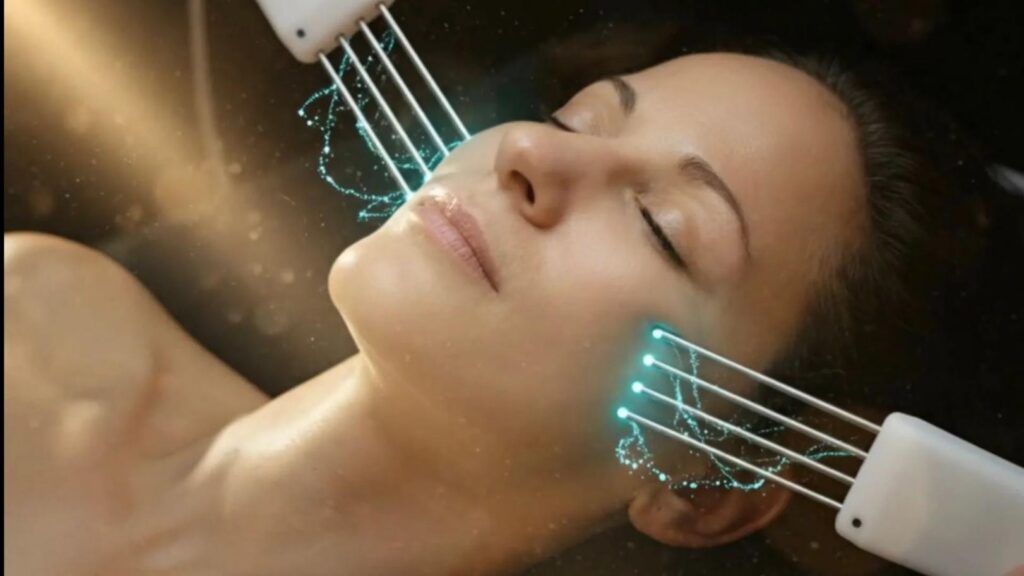
NeurotriS also uses programmed changes in electrical signals, which is a separate feature from feedback. Its professional systems include automatic programs that move through different signals during a session. Manual programs give the provider additional choices.
Think of a program as a planned sequence. Feedback helps the device respond to electrical conditions while that sequence is delivered. Together, these functions give the provider more control over how a session proceeds.
Settings can change both the strength of the current and the pattern in which it is delivered. A provider may choose different programs for specific treatment goals. For patients, the useful distinction is that customization involves more than simply turning the intensity up.
This is where advanced microcurrent technology becomes easier to understand. The equipment can offer more than a single repeating setting, while still relying on established programs. Personalization doesn’t mean the machine invents an entirely new treatment for every patient.
Some other professional microcurrent systems also offer multiple waveforms and programs. A fair comparison therefore looks at the specific choices available and how they are used. The number of settings alone cannot tell you which facial will suit you best.
3. Delivery Has More Options
NeurotriS offers several ways to bring current into contact with the skin. Depending on the model and setup, these include handheld probes, conductive gloves, and facial pads. The choice changes how the provider performs the treatment.
Probes allow directed movements over selected areas. Conductive gloves offer a hands-on approach, while pads can remain positioned during part of a session. The provider chooses compatible accessories and placement according to the device’s instructions.
Certain NeurotriS systems also have independently controlled output channels. These are pathways for delivering current through the connected accessories. They can offer flexibility in arranging treatment, although channel numbers and configurations vary between models.
That flexibility is useful to discuss when comparing a facial toning device with a simpler setup. It doesn’t mean every accessory must be used or that more channels automatically create a stronger result. The practical question is which arrangement best supports the treatment being planned for your face.
4. Professional Judgment Still Matters
The NeurotriS vs. traditional microcurrent comparison involves more than equipment. The provider’s assessment, training, and technique shape how either treatment is performed. Automatic features work within that larger process.
For example, you might be most interested in subtle definition around the lower face. Another patient may be focused on the appearance of fine lines. Those goals call for a discussion about the areas being treated and the realistic degree of improvement.
Preparation also matters. Skin needs appropriate cleansing, and the treatment uses a compatible conductive medium to support electrical contact. The provider manages those details while following the instructions for the specific system.
NeurotriS gives trained providers several controls to work with. The value comes from choosing and using them appropriately. During your consultation, listen for an explanation of what the provider plans to do and why it matches your concerns.
5. Comfort Can Be Adjusted
A microcurrent facial should include attention to how the treatment feels throughout the visit. NeurotriS systems offer adjustable output, and the provider can respond to your feedback while working. You should know how to request a pause or adjustment.
Electrical sensation is not a reliable measure of cosmetic success. A stronger feeling doesn’t establish that a treatment will produce better results. Tell the provider promptly if you experience stinging, pain, or another unpleasant sensation.
If you are considering a muscle stimulation facial, the provider should explain what the current is intended to do. They should also describe what you might feel, how settings change, and when to speak up.
Conventional systems may also have adjustable intensity. NeurotriS’s automated controls add to its operation, but they don’t remove the need for careful technique or communication. Your comfort remains part of the assessment at every stage.
6. Results Deserve Clear Expectations
The cosmetic goal is often a more toned appearance, with attention to facial definition and visible signs of aging. NeurotriS’s delivery features explain how the equipment operates. They don’t establish that every patient will see a larger improvement than with another system.
Research on facial electrical stimulation includes different devices, settings, and treatment schedules. Findings from one system cannot automatically be applied to another. Studies measuring changes in facial muscles also don’t necessarily show how noticeable those changes will be in everyday life.
That distinction matters when discussing non-surgical lifting technology. The word lifting describes an aesthetic aim, rather than the removal or surgical repositioning of tissue. A consultation should connect that aim to a specific concern you can evaluate.
Ask what a successful result would look like for you. Consistent photographs can help make the discussion more concrete. The same lighting, angle, and facial expression make comparisons more useful than dramatic changes in presentation. For example, agree whether you’re assessing a softer-looking line, a change in facial definition, or how refreshed your skin appears afterward.
7. Recovery Is Usually Simple
Convenience is one reason patients consider microcurrent facials, including NeurotriS. The treatment uses accessories on the skin’s surface and doesn’t involve incisions. Skyn Alchemy describes its NeurotriS service as requiring no downtime.
That convenience is shared with many conventional microcurrent treatments. It should be considered alongside the actual services included in your appointment. A facial that adds exfoliation or another skin treatment may come with different aftercare instructions.
Before an important occasion, give yourself time to learn how your skin responds. Discuss any sensitivity you have experienced with previous facials. Your provider can explain what is expected after the particular combination you receive.
Follow the recommended skincare routine afterward. Contact the practice if irritation persists or worsens, rather than assuming that an uncomfortable reaction is a necessary step toward results.
8. Suitability Comes First
Adjustable technology still requires appropriate patient selection. At Skyn Alchemy, NeurotriS screening excludes patients who are pregnant, have a pacemaker, have epilepsy, or have had heart surgery within the past year.
Those screening points are a starting place for the conversation. Tell the provider about other implanted electronic devices, medical conditions, medications, and previous reactions to electrical treatments. The current instructions for the machine being used also guide suitability.
Recent injectables, facial procedures, and surgery should be disclosed before booking. The timing of treatment depends on what was done and how you have recovered. Follow the guidance of the clinician responsible for that procedure.
A sensitive complexion also deserves individual consideration. Adaptive delivery doesn’t automatically make every patient a suitable candidate. The provider should assess skin irritation, product allergies, and your treatment history before proceeding.

9. The Plan Should Earn Its Place
Choosing between microcurrent options becomes easier when you compare the complete experience. Look at the assessment, treatment time, provider involvement, and follow-up plan. A machine’s feature list is only one part of that decision.
If a series is recommended, discuss the purpose of repeated visits and when progress will be reviewed. Maintenance may be part of the proposed plan. There isn’t a universal schedule that proves one brand delivers longer-lasting results for every patient.
Cost should also reflect what the appointment includes. Find out whether microcurrent is the main service or an addition to another facial. Confirm whether consultations and progress checks are included before committing to a package.
If you already enjoy conventional microcurrent, describe what you like and what you want to improve. You might want more targeted attention or a different appointment format. That information helps make a change purposeful, rather than choosing solely because a device sounds newer.
NeurotriS may appeal to patients who value adaptable delivery and professional customization. The decision becomes more personal when you know which concern you want to address and what level of change would make the experience worthwhile.
Make Your Next Facial Personal
Your next facial can start with what matters most to you right now. At Skyn Alchemy in San Diego, CA, explore NeurotriS microcurrent with a conversation about your skin, your priorities, and the changes you hope to see.
Book a consultation to discuss how the treatment works and whether it fits your needs!