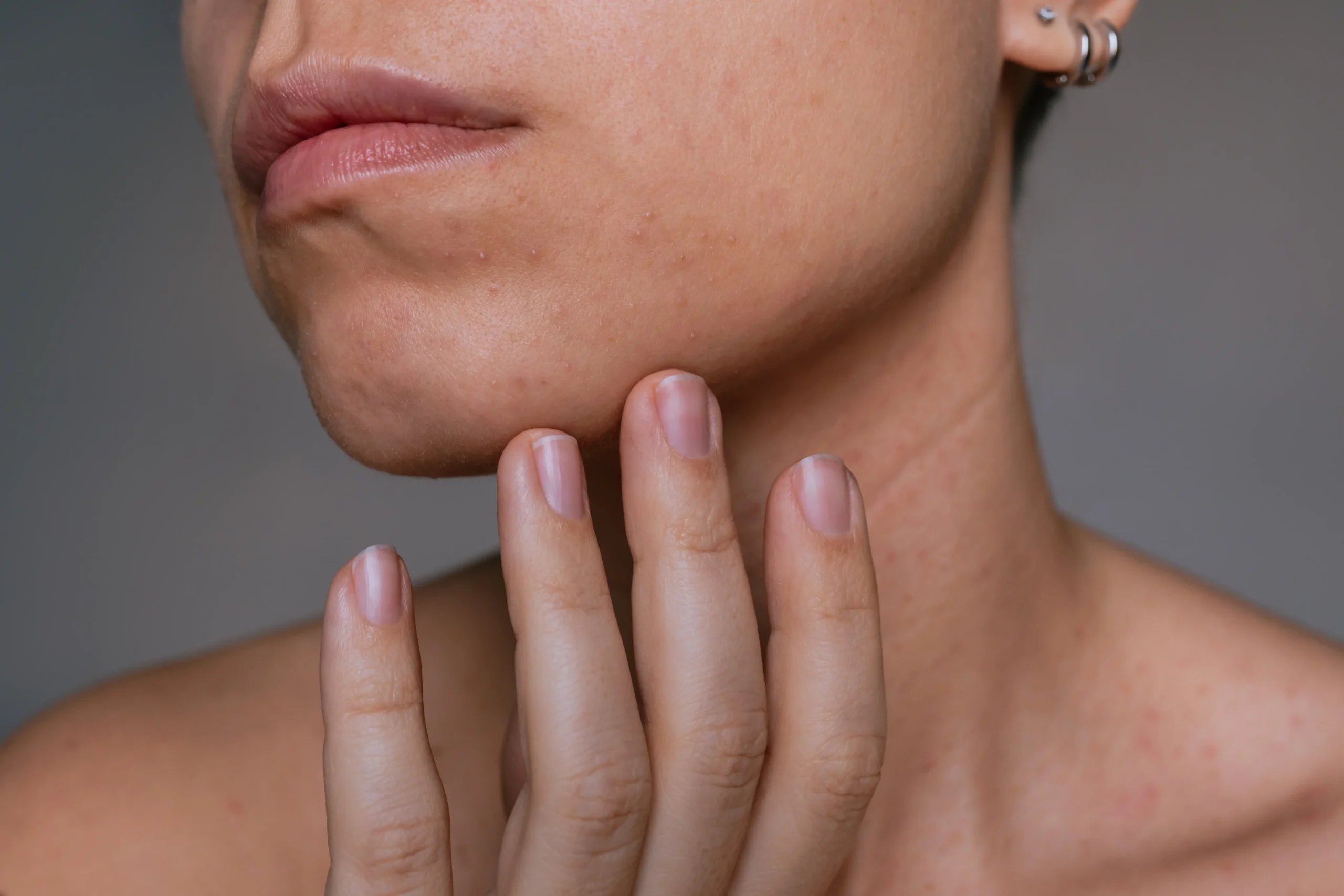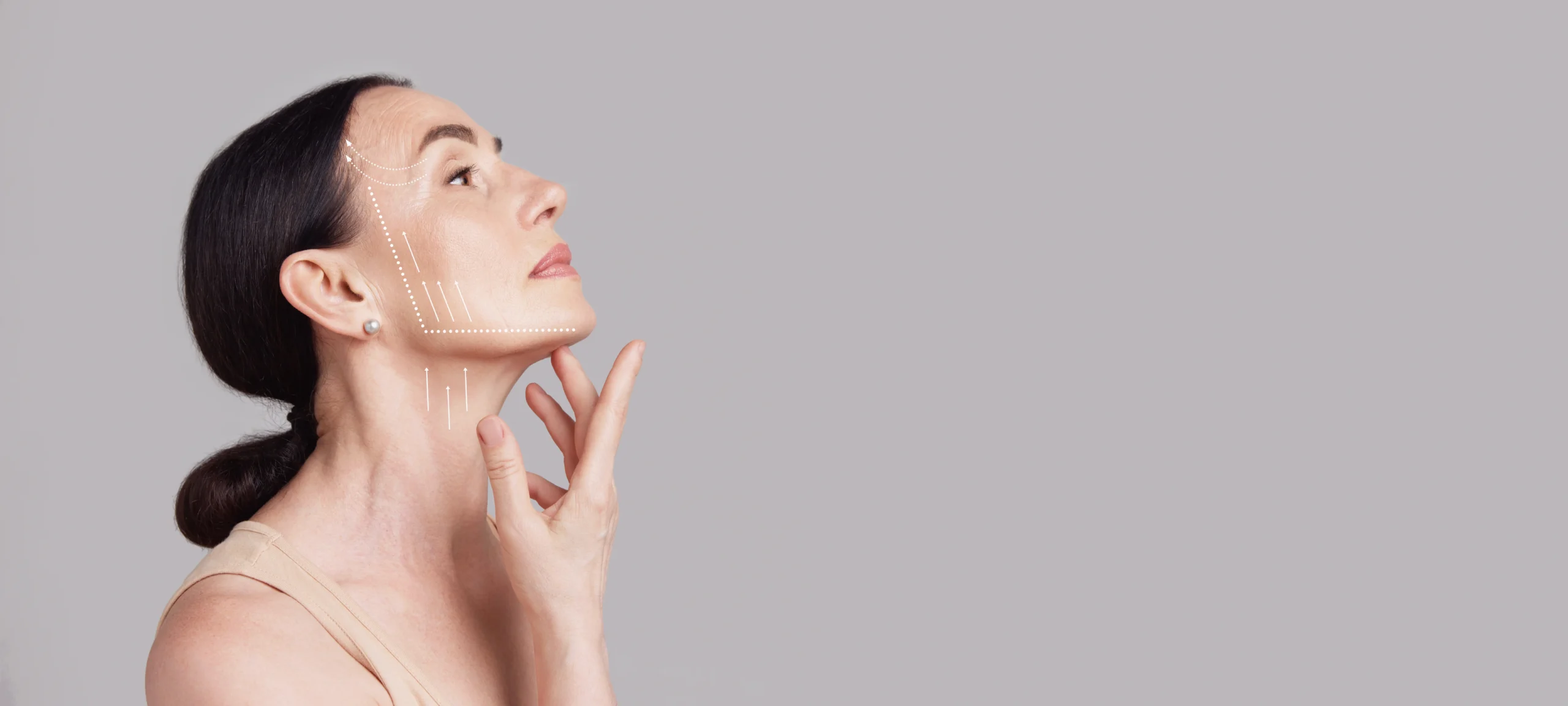

Your wedding day has a way of making everything feel a little more magnified. The light, the photos, the faces leaning in close. Every detail you’ve spent months curating, the flowers, the dress, the venue, deserves skin that matches the moment. And for brides who want that effortless, camera-ready glow without relying entirely on makeup, the dermaplaning facial benefits are worth understanding long before the big day arrives.
Dermaplaning is not a last-minute treatment. It’s a process, and like the best things in wedding planning, it rewards those who start early and stay consistent.
What Is Dermaplaning and Why Do Brides Love It?
Dermaplaning is a professional exfoliation treatment performed with a sterile surgical scalpel. A trained esthetician uses precise, feathering strokes across the skin to remove the outermost layer of dead skin cells along with vellus hair, the fine, peach-fuzz-like hair that covers most faces.
The result is immediate and striking. Skin feels smoother than it ever has. Foundation glides on differently. Skincare absorbs more deeply. And in photographs — especially under professional lighting — the skin has a luminosity that’s difficult to achieve any other way.
It’s no surprise that dermaplaning has become one of the most requested bridal skin treatments. It’s non-invasive, requires no downtime, delivers immediate visible results, and makes every product and treatment that follows perform better.

Understanding Dermaplaning Side Effects Before You Schedule
Before building your bridal treatment timeline, it’s important to understand what to expect — and what to watch for. Dermaplaning side effects are generally mild and short-lived, especially when treatment is performed by a skilled professional.
In the days immediately following a session, some patients experience:
- Mild redness or sensitivity that typically resolves within a few hours
- Temporary tightness as freshly exfoliated skin adjusts
- Slight breakouts in the first day or two if skin was already congested (this is normal and resolves quickly)
- Increased sun sensitivity, making SPF non-negotiable after treatment
Most patients describe the post-treatment experience as unremarkable — they simply look and feel better, with no visible recovery period. For brides worried about reacting before their wedding, this makes dermaplaning one of the safest choices in the bridal skin prep toolkit. That said, knowing how your skin responds is exactly why starting early matters.
Dermaplaning vs. Microdermabrasion: Which Is Right for Brides?
Brides researching exfoliation treatments will inevitably encounter both options. Dermaplaning vs. microdermabrasion is a real choice worth understanding, because they work differently and serve different skin types and goals.
Microdermabrasion uses a device — either a diamond tip or fine crystals — to mechanically sand the skin’s surface. It’s highly effective for thickened skin, rough texture, and superficial hyperpigmentation. However, it can cause more visible redness and irritation, particularly on sensitive skin, and it does not address vellus hair.
Dermaplaning, on the other hand, manually lifts both dead skin cells and vellus hair in a single treatment. It’s gentler on reactive skin, produces an exceptionally smooth canvas for makeup application, and works well in combination with other treatments. For brides who wear full makeup on their wedding day — and want that makeup to look flawless in every photograph — dermaplaning’s ability to eliminate the textural disruption of peach fuzz makes it uniquely valuable.
For most brides, professional dermaplaning is the more wedding-appropriate choice. It delivers the smoothness and glow without the redness risk of more abrasive exfoliation.
The Bridal Dermaplaning Timeline: When to Schedule Each Session
This is where planning becomes your best beauty tool. A single dermaplaning session before your wedding is better than nothing — but a series of treatments, spaced correctly, produces results that compound in a way no single appointment can replicate.
Here’s a general guide for brides working toward a spring wedding:
4–6 Months Before the Wedding: Your First Session
This is the discovery appointment. Your esthetician will assess your skin, perform your first professional dermaplaning treatment, and observe how your skin responds. This session also gives you time to identify any sensitivities and course-correct if needed. Starting this early means there’s no pressure — just progress.
3–4 Months Before the Wedding: Build Momentum
With your first treatment behind you and your skin’s response understood, this session deepens the results. Collagen production has been gently stimulated, cellular turnover is improving, and the skin begins to develop the kind of consistent clarity that only repeated professional exfoliation creates. This is also a good time to pair dermaplaning with a bespoke facial tailored to your skin’s specific concerns.
6–8 Weeks Before the Wedding: The Midpoint Check-In
By now, your skin should be noticeably different — smoother in texture, more even in tone, more receptive to your skincare. This session refines and reinforces those results. It’s also the right time to discuss any additional treatments you’re considering, such as a chemical peel (which should be scheduled no later than six weeks before the wedding to allow full recovery and maximum glow).
2–3 Weeks Before the Wedding: The Pre-Wedding Polish
This is one of the most important sessions on the timeline. Performed close enough to the wedding to preserve your fresh, smooth glow, but far enough away to allow any minimal redness to fully subside. Your skin at this stage should be at its clearest, most luminous, and most prepared to wear your makeup beautifully.
The Week Of: Skip the Dermaplaning — Protect What You’ve Built
It may be tempting to squeeze in one final session days before the wedding. Resist. This is the week to nourish and protect — hydrating serums, SPF, gentle cleansing, and rest. Your skin has done its work. Now it just needs to show up.
What Professional Dermaplaning Adds to Your Bridal Routine
Professional dermaplaning is not something to replicate at home with a drugstore blade and a YouTube tutorial. The results — and the safety — depend entirely on the skill of the provider, the sterility of the instrument, and the technique applied.
Here’s what sets a professional session apart from any at-home attempt:
- Precision and angle: A trained esthetician maintains the exact blade angle required to exfoliate effectively without nicking or irritating the skin
- Customized pressure: Different areas of the face require different levels of pressure — something an untrained hand cannot calibrate
- Sterility: A new, sterile surgical blade is used for every client, eliminating cross-contamination risk
- Treatment pairing: Professionals can combine dermaplaning with serums, masks, or other treatments to amplify results
- Assessment: Your esthetician identifies contraindications — active breakouts, rosacea flares, sunburned skin — before proceeding, keeping treatment safe

The Bigger Picture: Dermaplaning as Part of Your Bridal Skin Story
The brides who walk into their wedding day with the most luminous skin aren’t the ones who booked one facial a week before. They’re the ones who treated their skin as part of the wedding preparation — with the same intention and consistency they gave to every other detail.Dermaplaning facial benefits don’t arrive all at once. They build, session by session, into a result that no filter can replicate and no foundation can fully fake. A smooth, glowing, wedding-ready complexion is waiting for you at Skyn Alchemy in San Diego. Start your bridal skin journey today — because your wedding day will come quickly, and great skin takes a little time to grow into.