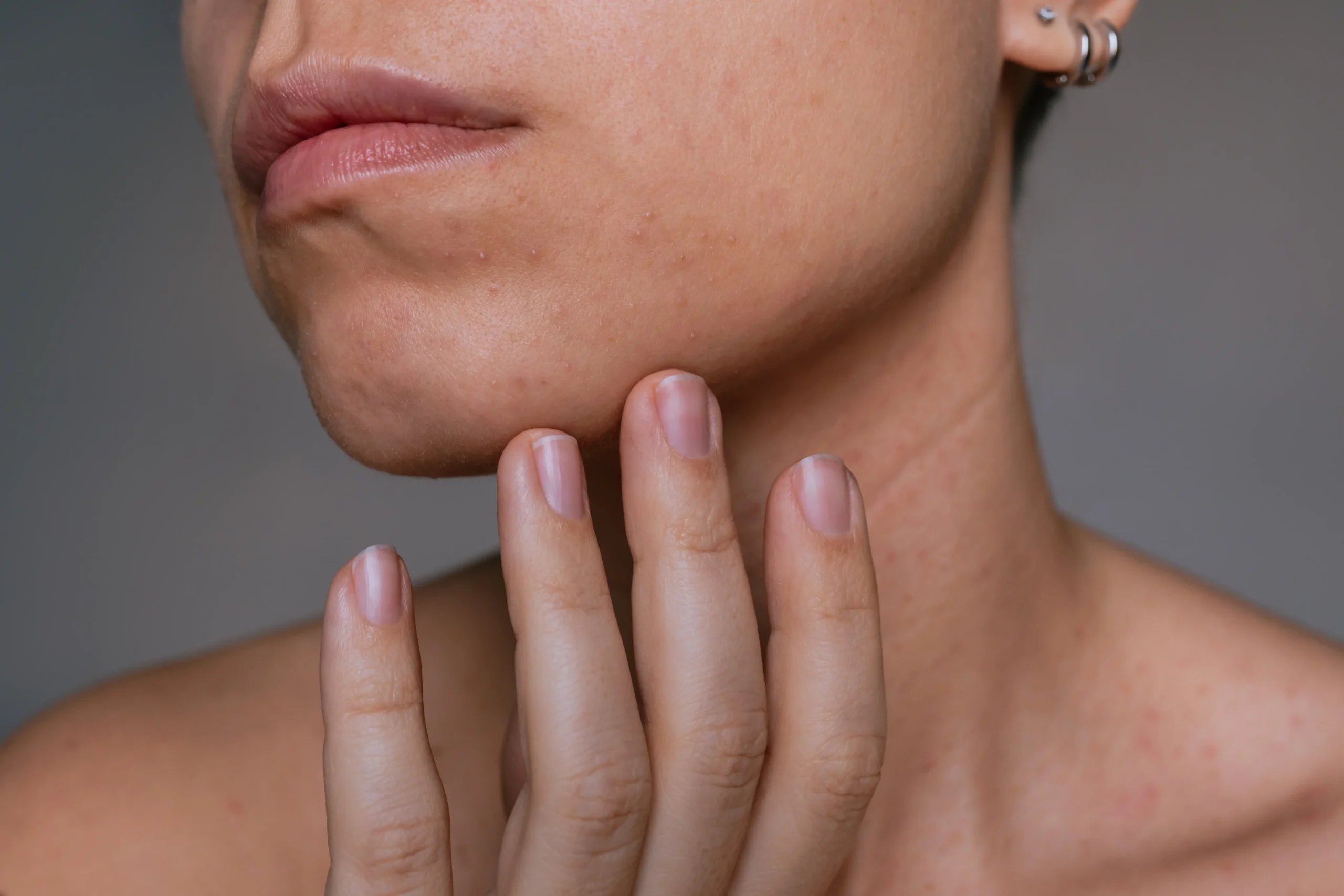

Exfoliation isn’t just about shedding old skin. It’s about giving your complexion permission to reset. When dullness lingers, texture feels uneven, or dark spots refuse to fade, your skin may be holding onto layers it no longer needs.
That’s where a chemical peel steps in, offering a controlled, professional exfoliation that encourages fresh, healthier skin to rise to the surface. What many patients don’t realize is that when you schedule a peel matters just as much as which peel you choose. Cold weather, often overlooked in skincare planning, creates the ideal environment for post-peel recovery.
Less sun exposure, cooler temperatures, and lower humidity all work in your skin’s favor, making winter the quiet MVP season for chemical peel results. If you’ve ever wondered why so many providers recommend chemical peels this time of year, you’re about to see why timing really is everything.
Why Exfoliation Is Non-Negotiable
Healthy skin doesn’t cling to the past. Exfoliation plays a central role in keeping the complexion smooth, balanced, and responsive to treatment.
- Encourages Cellular Turnover. As skin ages, cell turnover slows, causing dead cells to accumulate on the surface. Exfoliation helps clear this buildup so newer, healthier cells can take their place.
- Improves Skin Texture and Tone. Rough patches, congestion, and uneven tone often stem from trapped debris and dull surface cells. Removing them creates a smoother canvas with more consistent color.
- Supports Product Absorption. Skincare products struggle to penetrate when dead skin blocks the way. Exfoliated skin absorbs active ingredients more efficiently, boosting results.
- Helps Prevent Breakouts. Clogged pores are a breeding ground for acne. Regular exfoliation reduces congestion that can lead to blemishes.
- Stimulates Collagen Activity. By encouraging renewal, exfoliation indirectly supports collagen production, which helps maintain firmness and elasticity.
At Skyn Alchemy, chemical peels are one of the most effective ways we help patients exfoliate deeply and intentionally—without guesswork.
What Is a Chemical Peel, Really?
A chemical peel is a professional exfoliation treatment that uses carefully formulated acids to remove damaged outer layers of skin. Unlike scrubs or at-home acids, peels work at a controlled depth, allowing providers to target concerns like acne, hyperpigmentation, fine lines, and uneven texture.
Depending on the formulation, peels may include ingredients such as glycolic acid, salicylic acid, lactic acid, or trichloroacetic acid (TCA). These acids loosen the bonds between old skin cells, prompting them to shed and reveal smoother, brighter skin underneath. Results vary by peel type, but many patients notice visible improvement in tone and clarity within days.
Why Winter Is the Sweet Spot for Post-Peel Healing
Cold weather doesn’t just change how the air feels. It fundamentally changes how your skin responds to treatment. After a chemical peel, the skin enters a vulnerable, regenerative phase where environmental exposure, inflammation, and lifestyle habits all influence final results.
Winter creates a uniquely protective window that supports healing, reduces risk, and allows post-peel skin to regenerate with fewer interruptions.
1. Reduced UV Exposure Lowers Pigment Risk
After a chemical peel, the skin’s protective barrier is temporarily compromised, making it more susceptible to UV-triggered pigment changes. Sun exposure during this phase can stimulate melanocytes, increasing the risk of post-inflammatory hyperpigmentation, especially in patients prone to dark spots.
Winter naturally reduces UV intensity due to the sun’s lower position in the sky, and people tend to spend less time outdoors. This combination significantly lowers the chance of pigment rebound and helps preserve the clarity gained from the peel.
2. Cooler Temperatures Calm Inflammation
Heat dilates blood vessels and increases inflammatory signaling in the skin, which can prolong redness and sensitivity after exfoliation. Cold weather does the opposite because it naturally constricts blood vessels and reduces inflammatory response.
This calmer environment allows the skin to heal in a more controlled, balanced way, minimizing prolonged erythema and supporting smoother recovery. For post-peel skin, less inflammation often translates to more predictable and even results.
3. Less Sweating Means Fewer Irritation Triggers
Sweat contains salt, bacteria, and metabolic waste that can irritate freshly exfoliated skin and interfere with healing. In warmer months, increased sweating can lead to clogged pores, stinging, or breakouts during recovery.
Winter temperatures significantly reduce perspiration, keeping post-peel skin cleaner and less reactive. This creates a more stable healing environment, particularly important during the first several days after treatment.
4. Protective Clothing Shields Treated Skin
Winter wardrobes offer built-in physical protection for healing skin. Scarves, hats, coats, and high collars naturally shield the face from wind, sun, and environmental debris without extra effort.
Unlike summer, when skin is often fully exposed, winter makes it easier to protect treated areas passively. This reduces accidental sun exposure and mechanical irritation, both of which can compromise post-peel outcomes.
5. Lower Humidity Reduces Bacterial Growth
Warm, humid environments create ideal conditions for bacterial proliferation, which can increase the risk of breakouts or folliculitis after a peel. While winter air is drier, this reduced humidity limits bacterial growth on the skin’s surface.
With proper hydration support, patients benefit from a cleaner healing phase with fewer inflammatory disruptions, making winter a more forgiving season for post-peel recovery.
6. Makeup Wears Better During Healing
Post-peel skin may experience mild flaking or redness as cell turnover accelerates. In summer, heat and humidity can cause makeup to separate, melt, or cling unevenly to healing skin. Cooler winter conditions allow makeup to sit more smoothly, offering light coverage without emphasizing texture. This helps patients feel comfortable and confident during the visible stages of recovery.
7. Lifestyle Slows Down—Skin Benefits
Winter tends to bring a slower social calendar with fewer outdoor events, vacations, and sun-heavy activities. This reduced pace gives skin the uninterrupted time it needs to regenerate properly.
Patients are less tempted to rush recovery, skip aftercare, or expose healing skin prematurely. The result is a more complete and stable transformation rather than a quick fix.
8. Consistent Skincare Routines Are Easier to Maintain
Successful post-peel healing depends heavily on consistent aftercare—gentle cleansing, hydration, and sun protection. Summer schedules often disrupt routines due to travel and long days outdoors.
Winter offers more structure and predictability, making it easier for patients to follow instructions precisely. Consistency during this phase directly impacts how evenly skin heals and how long results last.
9. Preps Skin for Spring and Summer
Winter peels work behind the scenes, addressing discoloration, texture, and fine lines before high-exposure seasons arrive. By treating these concerns during colder months, patients enter spring and summer with healthier, more resilient skin.
This proactive timing is what creates those impressive “chemical peel before and after” transformations that look effortless but are strategically planned.
10. Lower Risk of Complications Overall
When you combine reduced UV exposure, calmer inflammation, stable routines, and protective clothing, winter simply introduces fewer variables that can disrupt healing.
This makes it the safest season for medium-depth peels and treatments with longer TCA peel recovery time. Fewer environmental stressors mean fewer complications, more consistent outcomes, and greater patient satisfaction.
Why Timing Matters More Than You Think
A peel done at the wrong time can stall progress, or worse, cause setbacks. Winter’s gentler conditions reduce stress on healing skin, making results more predictable and long-lasting.
Whether you’re addressing acne with a salicylic acid peel for acne, smoothing fine lines with chemical peels for wrinkles, or brightening dull skin with glycolic acid peel benefits, timing your treatment strategically makes all the difference.
At Skyn Alchemy in San Diego, CA, chemical peels are approached with intention, customization, and respect for seasonal skin behavior. Winter isn’t about hiding your skin, but rebuilding it quietly, so it shows up stronger when it matters most.
Connect with us today to book your appointment!